
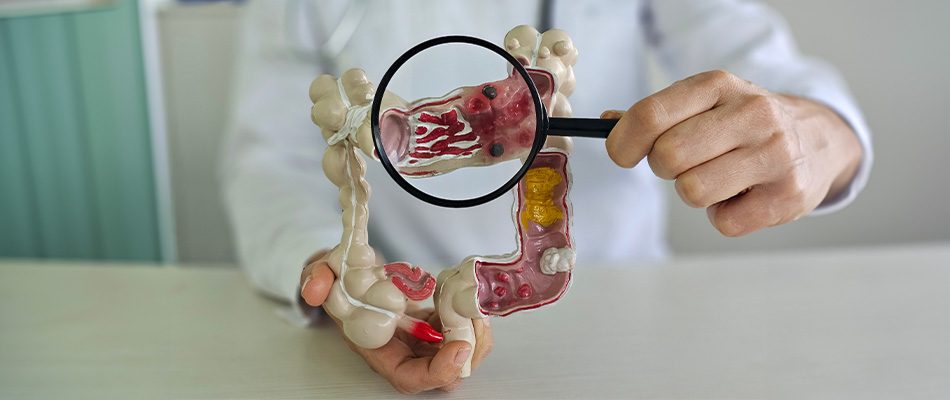
Colorectal surgery is a specialised area focused on treating issues in this part of your body, ranging from common problems like haemorrhoids to more serious diseases like cancer and inflammatory bowel disease. This guide will help you understand the basics of what colorectal surgery involves and what to expect.
What Conditions Does Colorectal Surgery Treat?
Colorectal surgeons are experts in diagnosing and managing a variety of conditions in the lower digestive tract. Some common ones include:
- Colorectal Cancer: Surgery is the main treatment for removing cancerous tumours. This often means removing a section of the colon or rectum.
- Inflammatory Bowel Disease (IBD): For conditions like Crohn’s disease and ulcerative colitis, surgery may be needed to remove damaged parts of the bowel.
- Diverticulitis: If small pouches in the colon get inflamed or infected repeatedly or severely, surgery might be necessary.
- Haemorrhoids: Painful or bleeding haemorrhoids that don’t get better with other treatments may need surgical removal.
- Anal Fissures and Fistulas: Tears or abnormal tunnels near the anus can be painful and sometimes require surgery to fix.
- Rectal Prolapse: When the rectum slips out, surgery is often needed to put it back in place.
- Polyps: Some growths in the colon or rectum can be removed during a colonoscopy, but larger or potentially cancerous ones might require surgery.
Types of Colorectal Surgeries
There are many different colorectal procedures, tailored to your specific condition. These can involve the abdomen or the anal area. Common procedures include:
- Colectomy: Removing part or all of the colon.
- Proctectomy: Removing part or all of the rectum.
- Low Anterior Resection (LAR): Removing the upper part of the rectum and a section of the colon, often for rectal cancer.
- Abdominoperineal Resection (APR): Removing the anus, rectum, and part of the colon for cancers very low in the rectum. This usually requires a permanent colostomy (see below).
- Ostomy Creation (Colostomy or Ileostomy): Creating an opening in the abdomen for waste to collect in a bag. This can be temporary or permanent.
- J-Pouch Surgery: Creating an internal pouch from the small intestine after removing the colon and rectum, allowing for near-normal bowel movements.
- Hemorrhoidectomy: Removing hemorrhoids surgically.
- Minimally Invasive Rectal Procedures (TEM/TAMIS): Removing polyps or early tumors from the rectum through the anus without large abdominal cuts.
Today, many colorectal surgeries are done using smaller incisions.
- Laparoscopic Surgery: Uses small cuts and a camera to perform the operation.
- Robotic Surgery: Similar to laparoscopy, but the surgeon uses a console to control robotic arms for enhanced precision.
These techniques often mean less pain, shorter hospital stays, faster recovery, and smaller scars compared to traditional open surgery.
Preparing for and Recovering from Surgery
Getting ready for surgery is important. This might involve talking with your medical team, adjusting your diet or medications, and sometimes bowel preparation.
Recovery varies, but generally involves getting up and moving soon after surgery. Pain will be managed with medication. Minimally invasive surgeries typically have shorter hospital stays and faster recovery times. Your team will give you specific instructions for home care, including diet and activity. Full recovery can take several weeks.
Conclusion
While surgery is a significant step, it often leads to improved health and quality of life for many conditions affecting the colon, rectum, and anus. With advancements in minimally invasive techniques and a focus on enhanced recovery, the experience is often less daunting than it once was.
